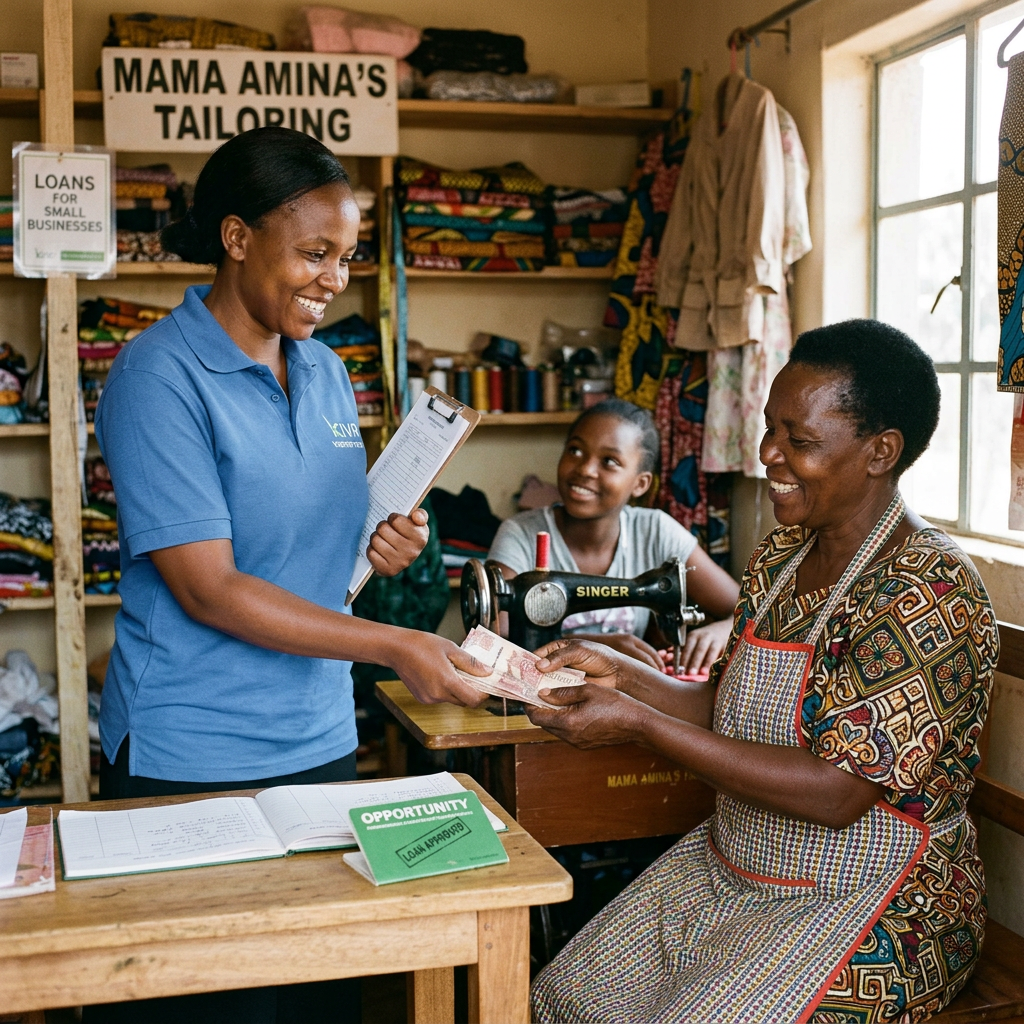
Microcredit is a specific branch of microfinance that provides small, short-term loans to individuals to help them establish or expand small businesses. These borrowers are typically low-income individuals residing in developing nations. Because many of these entrepreneurs lack traditional collateral or a formal credit history, microcredit often utilises “group lending” models, where borrowers are bundled together to ensure collective responsibility for repayment.
How Does It Work?
The fundamental philosophy behind microcredit is the belief that talented, industrious individuals living outside traditional banking systems can enter the formal economy if given a small amount of startup capital. This is particularly vital in rural or underdeveloped regions where barter systems are common and access to liquid currency is limited.
Modern microcredit is largely credited to Muhammad Yunus, a Bangladeshi economist and founder of the Grameen Bank. In 1976, Yunus launched a pilot program by lending just $27 to a group of women to finance their small craft businesses. The experiment proved successful: the women repaid the loan in full and maintained sustainable livelihoods.
Structurally, these arrangements differ significantly from commercial banking. While traditional banks require legal contracts and physical assets as security, microcredit often relies on social collateral. In many cases, there is no formal written agreement; instead, the loan is guaranteed by the borrower’s community. If one member struggles, the peer group is expected to provide support and encouragement to ensure the debt is settled, fostering a sense of mutual accountability.
The Challenges and Criticisms
Despite its successes, microcredit is not without its detractors. Critics often point to the risk of loan misuse. For example, when microcredit was introduced to impoverished communities in South Africa to encourage self-employment, reports emerged of funds being used for immediate household consumption rather than for income-generating assets.
Furthermore, microcredit can inadvertently lead to a debt trap. Even though the loan amounts are small, borrowers without a steady income may find themselves unable to keep up with interest rates. In desperate cases, borrowers have been known to sell personal belongings or take out high-interest “bridge loans” from elsewhere just to satisfy their original microcredit obligations.
Conclusion: A Tool, Not a Panacea
Ultimately, microcredit serves as a vital bridge for those who have been historically excluded from the global financial map. By valuing human potential over physical collateral, it has empowered millions of entrepreneurs—particularly women—to take the first step toward financial independence.
However, the mixed results in various regions suggest that credit alone is rarely enough. To truly break the cycle of poverty, microcredit must often be paired with financial literacy, stable infrastructure, and supportive local policies. When implemented responsibly, it remains one of the most powerful tools for grassroots economic development, proving that even a very small amount of capital can create a significant ripple effect in a community.


Leave a Reply